Where Can I Download Free Sheet Music UPDATED
Where Can I Download Free Sheet Music
Classical Sail Music :
This folio contains our pop Classical Sheet Music in alphabetical gild by Composer. Virtually of our Sail Music is available in ii formats - to view online with the Scorch Plug-In, and to download in PDF format for press.
Virtual Canvas Music :

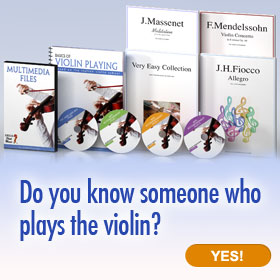 Below you will find a range of mfiles Classical sheet music which you tin play anytime and download freely. We also accept this opportunity to mention another site called Virtual Sheet Music which has an extensive collection of skilful quality classical sheet music for a diverseness of different instruments. Pieces tin can be purchased individually for immediate download but if you become a member you tin can download the whole catalogue of more than 4,500 items. See Virtual Canvass Music Membership - full admission to this huge and growing catalogue is past subscription, the first year costing $37.75 and reducing to $25.99 in subsequent years. Virtual Sail Music have only released their Complete Violin Packet which contains 4 DVDs of sheet music and lots of training cloth for taking your violin playing to the next level.
Albeniz, Isaac (1860-1909) :
Isaac Albeniz wrote extensively for the pianoforte, and his best-known works use Spanish folk dances as their inspiration. The piece Leyenda beneath, which appears in ii unlike suites evoking the sounds of Kingdom of spain, has been arranged and played by Segovia on Guitar merely presented here in its original pianoforte form, whereas the Tango comes from the composer's Suite "España".
- Leyenda (Pianoforte) Details or Print
- Tango (Piano) Details or Print
- Tango (arranged for Violin or Other Intruments and Pianoforte) Details or Print Score/Piano Role and culling instrumental parts for Violin (or flute or oboe), Viola, Cello (or Bassoon) and Clarinet (or Trumpet)
Bach, Carl Philipp Emanuel (1714-1788) :
Carl Philipp Emanuel Bach was the 2nd son of the great Johann Sebastian Bach, by his showtime wife. C. P. E. Bach wrote a large amount of Keyboard music, and was one of the key architects of Sonata Form which was to became so important during the "Classical Era". Hither is a pocket-sized selection of his keyboard works:
- Sonata No.6 (of six) in F small (1st movement "Allegro di Molto") Details or Print
- Solfeggietto (famous Solfeggio in C minor) Details or Print
- La Caroline (character slice) Details or Impress
- March, No.xvi from the A. M. Bach Notebook Details or Print
Bach, Johann Sebastian (1685-1750) :
Johann Sebastian Bach is the most famous member of a very musical German language family. His wrote for many instruments and combinations, and his keyboard works include many for Organ and Clavier. Here you'll find his all-time-known organ piece of work, and a number of keyboard works from his sets of Inventions and the 48 Preludes and Fugues which come in 2 books of 24 each.
- Toccata and Fugue in Dm for Organ Details or Print
- Prelude No. 1 from Volume i of the 48 Details or Print
- Prelude No. 2 from Book 1 of the 48 Details or Impress
- Fugue No. 2 from Book 1 of the 48 Details or Print
- Prelude No. iii from Volume 1 of the 48 Details or Print
- Prelude No. 6 from Volume i of the 48 Details or Impress
- Fugue No. 10 from Book one of the 48 Details or Impress
- Prelude No. 14 from Book ane of the 48 Details or Print
- Fugue No. 14 from Book one of the 48 Details or Print
- Prelude No. 24 from Book 1 of the 48 Details or Print
- Fugue No. 24 from Book 1 of the 48 Details or Print
- Fugue No. 24 from Book 1 equally above, but arranged for String Quartet Details, Impress score and Print Parts for Violin 1, Violin ii, Viola and Cello
- Prelude No. 2 from Book 2 of the 48 Details or Print
- Fugue No. ii from Book 2 of the 48 Details or Impress
- Prelude No. seven from Book two of the 48 Details or Print
- Fugue No. 7 from Book 2 of the 48 Details or Impress
- Prelude No. 12 from Book 2 of the 48 Details or Print
- Two-part Invention No. 4 Details or Impress
- Two-part Invention No. 13 Details or Impress
- Bourrée from Lute Suite in Eastward minor BWV996 - piano Details or Print
- Bourrée from Lute Suite in E pocket-size BWV996 - guitar Details or Print
- Bourrée from Lute Suite in E minor BWV996 - oboe & bassoon (or other instrument combinations) Details or Print
- Little Prelude in C pocket-size BWV999 - piano Details or Impress
- Little Prelude in C minor BWV999 - guitar Details or Print
Arrangements by Bach:
- Vivaldi'south Concerto No.11 in Dm 2nd movement from 50'estro armonico Op.3 No.11 - arranged for Organ by Bach Details or Print
Bach family and contemporary composers:
J. S. Bach's second wife, Anna Magdalena kept a notebook of mostly keyboard works called the "Second Notebook". (The Starting time Notebook was a gift from Bach to his married woman.) The works in the second notebook were also thought to have been composed by Johann Sebastian. Even so we now know that well-nigh were non composed by J. S. Bach or A. M. Bach but by their sons, pupils or friends. These iv pieces are from Anna Magdalena's second notebook:
- No. 4, Minuet past Christian Petzold Details or Impress
- No. seven, Minuet by Unknown Details or Print
- No. 16, March by C. P. E. Bach (son) Details or Impress
- No. 22, Musette past Unknown Details or Print
Beethoven, Ludwig van (1770-1827) :
Ludwig van Beethoven represents a turning bespeak in musical history equally a composer who made his music express deep feelings in a style which was much more than direct and vivid than the classical mode. Fur Elise is a small pianoforte piece which is not really typical of his piece of work nevertheless is well-known as an relatively easy piece for budding pianists to play. The Moonlight Sonata is particularly well-known for its beginning movement. Nosotros as well present movements from two of his Symphonies as excellent contrasting examples of his orchestral symphonic output.
- Minuet in G (original for Piano) Details or Print
- Minuet in K (arranged for Flute and Piano) Details or Impress parts for Flute and Pianoforte
- Moonlight Sonata (original for piano), 1st movement Details or Print
- Moonlight Sonata (bundled for guitar past Tárrega), 1st motion Details or Print
- Moonlight Sonata (arranged for clarinet and piano), 1st motion Details or Print parts for Clarinet and Pianoforte/score
- Pathétique Piano Sonata, 2d movement (original piano solo) Details or Impress
- Pathétique Sonata, 2nd movement (arranged for viola and pianoforte) Details or impress Score/Pianoforte part and Viola function
- Pathétique Sonata, 2d movement (arranged for clarinet and piano) Details or print Score/Pianoforte part and Clarinet function
- Fur Elise, for piano Details or Impress
- Fur Elise for Flute and Piano, printable parts for Flute and Piano
- Fur Elise for Oboe and Piano, printable parts for Oboe and Piano
- Fur Elise for Clarinet and Pianoforte, printable parts for Clarinet and Piano
- Fur Elise for Soprano Sax and Piano, printable parts for Soprano Sax and Piano
- Fur Elise for Tenor Sax and Piano, printable parts for Tenor Sax and Piano
- Fur Elise for Trumpet and Piano, printable parts for Trumpet and Piano
- Fur Elise for Violin and Pianoforte, printable parts for Violin and Pianoforte
- Fur Elise for Viola and Piano, printable parts for Viola and Piano
- 1st Violin Sonata, 1st motility Details, impress the Full Score, or the parts for Violin and Pianoforte
- Symphony No. 5 in Cm, 1st movement Details or Impress Score
- Parts for the above: Flutes, Oboes, Clarinets, Bassoons, Horns, Trumpets, Timpani, Violins1, Violins2, Violas, Cellos, Basses (note that Trombones, Piccolo and Contra-Bassoon only feature in the last movement)
- Symphony No. 6 in F, 1st motility Details or Print Conductor's Score
- Parts for the above: Flutes, Oboes, Clarinets (in B-flat), Bassoons, Horns (in F), 1st Violins, 2nd Violins, Violas, Cellos, and Basses
- Symphony No. 7 in A, 2nd motility Details or Print Conductor'south Score
- Parts for the higher up: Flutes, Oboes, Clarinets (in A), Bassoons, Horns (in E), Trumpets (in D), Timpani (tuned in A and E), 1st Violins, 2nd Violins, Violas, Cellos, and Basses
- Symphony No. 7 in A, 2nd movement (bundled for piano by Franz Liszt) Details or Print
- Symphony No. 9 in Dm, fourth movement "Ode to Joy" theme bundled for Solo Piano Details or Print
- Symphony No. ix in Dm, 4th movement "Ode to Joy" theme arranged for solo instrument with piano accompaniment - Play the version for Bassoon and Piano or download the canvas music every bit follows: Pianoforte Accessory and the following solo instruments: Bassoon, Cello, Clarinet in A, Clarinet in B-apartment, Cor Anglais, Double Bass, Flute, French Horn in F, Oboe, Trombone, Trumpet, Tuba, Viola and Violin
Bizet, Georges (1838-1875) :
Best known for his operas, and Carmen in detail, Georges Bizet as well equanimous songs, orchestral and keyboard works. Jeux d'Enfants (Children's Games) is a suite of 12 pieces for piano duet, and nosotros provide ii of these here:
- La Toupie (The Top) Details, Impress Score or parts Piano1 and Piano2
- La Poupée (The Doll) Details, Print Score or parts Piano1 and Piano2
Boccherini, Luigi (1743-1805) :
Luigi Boccherini was an Italian-born composer who toured Europe earlier settling in Kingdom of spain. He was a contemporary of Haydn and wrote lots of works for String Quartet and String Quintet. His virtually famous piece is the Minuet from one of his String Quintets which we accept arranged here for a diversity of instruments.
- Minuet for original String Quintet, Print Score or Print parts for 1st Violin, 2nd Violin, Viola, 1st Cello and 2nd Cello
- Minuet arranged for Flute and Piano, with Printable parts for Flute and Piano
- Minuet arranged for Oboe and Piano, with Printable parts for Oboe and Pianoforte
- Minuet arranged for Clarinet in A and Piano, with Printable parts for Clarinet in A and Pianoforte
- Minuet bundled for Soprano Sax and Piano, with Printable parts for Soprano Sax and Pianoforte
- Minuet bundled for Alto Sax and Piano, with Printable parts for Alto Sax and Piano
- Minuet arranged for Tenor Sax and Piano, with Printable parts for Tenor Sax and Piano
- Minuet bundled for Violin and Pianoforte, with Printable parts for Violin and Pianoforte
- Minuet arranged for Viola and Pianoforte, with Printable parts for Viola and Piano
- Minuet arranged for Cello and Piano, with Printable parts for Cello and Piano
Brahms, Johannes (1833-1897) :
Johannes Brahms extended the classical traditions creating powerful symphonies and concertos. He also composed many shorter works including songs, chamber music for strings and numerous works for his favourite instrument, the piano. Here is his famous Lullaby, a piano waltz, an intermezzo for piano, the 1st movement of his 1st Cello Sonata, and his Variations on the St. Anthony Chorale (previously called the "Haydn Variations"):
- Brahms Lullaby (or Wiegenlied) Op.49 No. 4 - song or instrumental Details or Print score/accompaniment and Vocal Function with culling melody parts for Flute, Alto Sax, Clarinet, Cor Anglais, French Horn, Bassoon or Viola (or any other instruments written in the same key and pitch)
- Brahms Lullaby (or Wiegenlied) Op.49 No. 4 - arranged for Easy Piano Details or Print
- Brahms Lullaby (or Wiegenlied) Op.49 No. 4 - arranged for Guitar (with notation, tabs and chords) Details or Print
- Waltz No. fifteen Details or Print
- Intermezzo in A Op.118 No.two Details or Print
- Cello Sonata Op.38 in Em (1st movement) Details, or Impress Score or parts for Cello and Pianoforte.
- Theme from the Variations on the St. Anthony Chorale, for Orchestra Op.56a Details, Impress Score and parts for ii Flutes, ii Oboes, 2 Clarinets in B-flat, two Bassoons, Contrabassoon, two Horns in B-apartment, 2 Horns in E-flat, 2 Trumpets in B-flat, Cellos and Double-basses.
- Theme from the Variations on the St. Anthony Chorale, for Ii Pianos Op.56b Details, Impress Score and parts for Piano one and Pianoforte 2.
- Theme from the Variations on the St. Anthony Chorale, bundled for Piano Solo Details or Impress.
- Theme from the Variations on the St. Anthony Chorale, arranged for Trio Details, Print Score and alternative parts for Musical instrument 1 in C, Instrument 2 in C, Instrument iii in C, Instrument 1 in B-flat, Instrument 2 in B-flat, Instrument 3 in B-flat.
Byrd, William (1542-1623 ?) :
William Byrd was an English composer and a lot of his output was church music. He is believed to have studied nether Thomas Tallis and he certainly worked closely with him. Here are some dance pieces which Byrd composed or arranged:
- Pavan, The Earle of Salisbury Details or Impress
- Sellenger'due south Circular (Virginal version for keyboard) Details or Print
- Sellenger's Round (Folk arrangement for recorder & keyboard) Details or print parts for Recorder and Keyboard/Score
Charpentier, Marc-Antoine (1643-1704) :
Marc-Antoine Charpentier was a French composer who composed a wide multifariousness of pieces including several operas and much sacred music. The Prelude of his Te Deum is his all-time-known work, used equally a voluntary in church services and familiar as the theme of the Eurovision Vocal Competition:
- Prelude of the "Te Deum" (arranged for pianoforte) Details or Print
Chopin, Frederic (1810-1849) :
Frederic Chopin was built-in in Poland and moved to Paris in the centre of his short life. Although he wrote for other instruments and orchestral works, he is most famous for his pianoforte writing. The preludes below are from his prepare of 24 in each key (post-obit the example set by Bach in his Preludes and Fugues).
- Prelude No. four Details or Print
- Prelude No. 6 Details or Print
- Prelude No. 6 arranged for Woodwind Quartet Details or print Score and parts for Flute, Oboe, Clarinet (in B-flat) and Bassoon
- Prelude No. 7 Details or Print
- Prelude No. 15 (The "Raindrop") Details or Print
- Prelude No. 20 Details or Print
- Waltz Op. xviii (Grande Valse Brillante) Details or Impress
- The "Minute" Waltz Op. 64 No. 1 Details or Print
- Waltz in C# minor Op. 64 No. two Details or Impress
- Etude in C# pocket-size Op. 10 No. four Details or Impress
- Nocturne in E-flat major Op.ix No.ii (original for pianoforte) Details or Print
- Nocturne in East-flat major Op.9 No.2 (bundled for guitar by Tárrega) Details or Impress
- Nocturne in E-apartment major Op.nine No.2 (arranged for violin and piano) Details or Print parts for Violin and Piano/score
- Nocturne No.xx in C# minor (Opus Post.) Details or Print
- Funeral March (3rd motion) from the Piano Sonata No.2 (Op.35) Details or Print

Debussy, Claude (1862-1918) :
Claude Debussy is associated with the impressionist movement in music which mirrored that in art and likewise seemed to centre itself in France. Likewise equally orchestral works and works for various instruments, Debussy wrote extensively for the piano including the following works.
- Arabesque No. 1 from Deux Arabesque Details or Print
- Golliwog's Cakewalk from Children's Corner Details or Print
- Clair de Lune from Suite Bergamasque Details or Impress
Dvorak, Antonin (1841-1904) :
Antonin Dvorak was famous for his apply of National music styles into Classical Music, such as his "Slavonic Dances". This instance is his much loved irksome movement from his "New World Symphony".
- Symphony No.9 in Em (2nd motion) Largo Details or Print Score and Parts for Flutes, Oboes (& Cor Anglais), Clarinets, Bassoons, Horns 1&2, Horns 3&four, Trumpets, Trombones, Bass Trombone & Tuba, Timpani, 1st Violins, 2d Violins, Violas, Cellos, Double Basses.
- Symphony No.9 in Em (2nd movement) Largo, bundled for Cor Anglais and Piano Details or Print Score / Pianoforte part, Cor Anglais role or culling solo parts for Oboe, Flute or Violin, Clarinet in B-flat, Viola, French Horn in F or Bassoon or Cello
- Symphony No.ix in Em (2nd movement) Largo, arranged for Piano Solo Details or Impress
Elgar, Edward (1857-1934) :
Edward Elgar wrote in the style of the late Romantic composers, but with a distinctive English tone. He adjusted the slow role of his "Pomp and Circumstance March No.1" with words by the poet A. C. Benson to brand the patriotic vocal "Land of Hope and Celebrity". Elgar's "Enigma Variations" is a popular large-scale orchestral work, and the variation from it chosen "Nimrod" is often played on its ain by orchestras or bands or solo keyboard instruments such as piano or organ.
- State of Hope and Celebrity from "Pomp and Circumstance March No.i" Details or Impress
- Nimrod from the "Enigma Variations" bundled for pianoforte Details or Print
- Nimrod from the "Enigma Variations" bundled for organ Details or Print
- Salut d'Flirtation (Liebesgruss) for violin and piano (in East) Details or Print Score/Piano role and Violin part
- Salut d'Flirtation (Liebesgruss) for cello and piano (in D) Details or Print Score/Piano part and Cello part
- Salut d'Amour (Liebesgruss) for pianoforte solo (in E) Details orPrint
Fauré, Gabriel (1845-1924) :
Gabriel Fauré was a French composer, organist, pianist and teacher. In the role of teacher he became a professor and so director at the Paris Conservatoire where he taught and influenced many other younger composers. His own music has a more delicate quality than some composers, concentrating on chamber music than large-calibration orchestral works. Among his best-known works are his Requiem, Sicilienne and the "Dolly" Suite for Piano Duet:
- Dolly Suite: 1st motility "Berceuse" (Lullaby) - pianoforte duet Details, Print Score or parts Piano1 and Piano2
- Dolly Suite: 1st movement "Berceuse" (Lullaby) - arranged for solo instrument and pianoforte Details, Print Score and solo parts for Oboe or Flute, Alto Sax, Bassoon or Cello, Clarinet or Trumpet, French Horn, Viola or Violin and Piano accessory
- Dolly Suite: 1st motility "Berceuse" (Lullaby) - arranged for piano solo Details or Print Pianoforte Score
Field, John (1782-1837) :
John Field was an Irish gaelic pianist and composer, who toured extensively giving performances and was highly influential in terms of his piano music. In item he is credited with originating the piano "Nocturne". He composed eighteen numbered Nocturnes and inspired Chopin to compose his ain well-known Nocturnes. Hither is one of Field's Nocturnes in its original form and equally an system:
- Nocturne No.5 in B-flat (H.37) piano solo - Details or Print
- Nocturne No.5 in B-flat (H.37) arranged for violin and piano past Friedrich Hermann - Details or Print Score/Piano part and Violin role
Filtsch, Carl (1830-1845) :
Carl Filtsch (1830-1845) was a highly gifted young pianist and composer from Transylvania. A kid prodigy, Filtsch'southward talent was well-recognised by contemporary composers and he became a pupil of Frederic Chopin. He died of TB before reaching his 15th birthday, but even so left an impression on the world of music including a number of compositions such as his "Premières pensées musicales" (First musical thoughts) which has three pieces including No.1, a Romance "sans paroles" (without words) in Em:
- Romance Op.three No.ane for pianoforte solo - Details or Print
Grieg, Edvard (1843-1907) :
Edvard Grieg introduced the styles of Norwegian folk music to his works. Equally a pianist himself he equanimous many smaller works for piano including the "Lyric Pieces".
- Arietta (Op.12 No.i) from the "Lyric Pieces" Details or Impress
- Notturno (Op.54 No.four) from the "Lyric Pieces" Details or Print
- Notturno (Op.54 No.iv) bundled for Violin and Piano Details or Print
- Wedding ceremony Day at Troldhaugen (Op.65 No.6) from the "Lyric Pieces" Details or Print
- Gavotte (third movement) from the Holberg Suite (Op.40) "In Holberg'due south Time" Details or Print
- Morning Mood from the Peer Gynt Suite No.one Op.46 - orchestral Details or Print Score and parts for Flute ane, Flute 2, Oboes, Clarinets in A, Bassoon 1, Bassoon 2, Horns ane & 2 in E, Horns 3 & iv in E, Trumpets in E, Timpani, Violins 1, Violins 2, Violas, Cellos and Basses
- Forenoon Mood from the Peer Gynt Suite No.i Op.46 - bundled for piano Details or Impress
- Morning time Mood from the Peer Gynt Suite No.1 Op.46 - bundled for flute and pianoforte Details or Print Score/Pianoforte Role and alternative solo parts for Flute, Oboe, Cor Anglais, Clarinet (in B-flat), Trumpet (in B-flat), Violin and Viola
Handel, George Frideric (1685-1759) :
George Frideric Handel was born in Deutschland, merely settled in England where he frequently composed music for the Royal family including favourites such as the "Water Music" and "Music for the Royal Fireworks".
- Hornpipe from The Water Music (12th move from Suite No.2 in D) Details or Print Score and Parts for Oboe one, Oboe ii, Bassoon, Horn 1, Horn two, Trumpet 1, Trumpet 2, Violins 1, Violins 2, Violins 3, Violas and Cellos/Basses
- Hornpipe from The Water Music (arranged for pianoforte) Details or Print
- Hornpipe from The H2o Music (arranged for viola or other musical instrument and pianoforte) Details or Print Score/Piano Part and alternative instrumental parts for Viola, Violin, Cello, Trumpet, Trombone, Flute, Oboe, Alto Sax, Clarinet or Bassoon
- Ombra Mai Fu (first aria) from the opera Serse (Xerxes) Details or Print Score and Parts for Violins 1, Violins 2, Violas, Serse (vocal) and Basso Continuo
- Handel'southward Largo (based on "Ombra Mai Fu" above) adapted for Violin and Piano Details or Print Score/Piano role and alternative parts for Violin, Viola, Cello, French Horn or Clarinet
- Handel's Largo (based on "Ombra Mai Fu" in a higher place) arranged for Piano Solo Details or Print
- Sarabande from the Keyboard Suite in Dm (HWV 437) Details or Print
- Dead March, instrumental piece from the Oratorio "Saul" Details or Print Score and Parts for two Flutes (and optional oboes), 2 Trombones, Bass Trombone, Timpani, Violins i and 2, Violas, Cellos and Basses and suggested Organ Function
- Expressionless March from "Saul" arranged for Piano Details or Print
- Expressionless March from "Saul" bundled for Organ Details or Print
Haydn, Franz Joseph (1732-1809) :
Joseph Haydn was a key figure during the Classical Period. He composed many Symphonies, Sonatas and String Quartets. Here is a representative sample of canvas music from his work.
- Piano Sonata No.31 in A-flat Details or Print
- Emperor'due south Hymn - Theme from German National Anthem (Deutschlandlied) play or print
- Symphony No. 88 in G, 1st move Details or Print Score
- Parts for the higher up: Flute, 2 Oboes, 2 Bassoons, 2 Horns in G, 1st Violins, 2d Violins, Violas, Cellos, Basses
Holst, Gustav (1874-1934) :
Gustav Holst's "Planet Suite" is his most pop work, full of bold ideas and strong themes. Holst turned i of those themes from "Jupiter" into a Hymn Melody which is labelled "Thaxted" in hymnals and unremarkably sung to the words "I Vow to Thee, My Country". Another Hymn tune past Holst is "Cranham" to which the Christmas ballad "In the Dour Midwinter" is sung. Holst also scored the film "The Bells" in 1931.
- I Vow To Thee, My land (Hymn Tune from Jupiter from The Planets) - Details or Print
- In the Bleak Midwinter (the Christmas Carol) - Details or Impress
Liszt, Franz (1811-1886) :
Franz Liszt is best known as a pianist and composer of piano music, simply he was very influential as a composer and musician. Amid his solo piano works is a gear up of 3 Liebestraum of which No.three is the best known and available here in 2 forms:
- Liebestraum No.three (original version) - Details or Print
- Liebestraum No.3 (easy pianoforte version) - Details or Print
Arrangements by Liszt:
- Beethoven'south Symphony No. 7 in A 2nd movement - bundled for piano by Liszt Details or Print
Mahler, Gustav (1860-1911) :
The Symphonies of Gustav Mahler are quite large, and nosotros can only provide some samples here. Among these examples nosotros demonstrate Mahler'due south have on the well-known children's song Frere Jaques, and examples used in adverts, on TV and on film. The instance from his 5th symphony was used as the them tune in the film "Expiry in Venice".
- Symphony 1, 2nd movement excerpt Details or Print
- Symphony 1, 3rd motility excerpt Details or Print
- Symphony 5, 4th movement extract Details or Print
- Symphony seven, 2nd movement extract Details or Impress
Mendelssohn, Felix (1809-1847) :
Felix Mendelssohn was a German language composer, who like many others established his musical credentials at a young age, and died earlier reaching old age. Among other forms, he wrote several sets of piano pieces called "Songs without Words". These pieces are literally that, because they have a melodic "song" and an "accompaniment" all played on the piano. Just the offset item past Mendelssohn is the popular Christmas Ballad:
- Hark! The Herald Angels Sing Details or Impress
- Wedding March Details or Print
- Song Without Words Op. 19 No. half-dozen - Venetian Gunkhole Song No.1 Details or Impress
- Song Without Words Op. 53 No. 5 - Folk Song Details or Print
- Vocal Without Words Op. 67 No. 4 - Spinning Song or Bee'southward Wedding ceremony Details or Print
- Song Without Words Op. 85 No. 2 - The Goodbye Details or Print
- Vocal Without Words Op. 102 No. 6 - Faith Details or Print
Mozart, Wolfgang Amadeus (1756-1791):
Wolfgang Amadeus Mozart was born into a musical family, and equally a child prodigy performed regularly throughout Europe too as his native Republic of austria. During his curt life he was prolific every bit a composer using many forms, and did much to shape the development of music. While the 2 minuets below were equanimous at a very immature age, the Sonata in C was equanimous in a simple style as a piece suitable for a developing player. The Rondo Alla Turca (in the Turkish style) comes from another piano sonata and is also well-known. The Pianoforte Concerto move below was used in the film "Elvira Madigan".
- Minuet in F (Thousand.2, equanimous at historic period 5) Details or Print
- Minuet in F (K.2) arranged for Recorder Duet and Accompaniment Details or print Score and parts for Soprano recorder, Alto recorder and Piano accessory.
- Minuet and Trio in G (Chiliad.1, composed at age six) Details or Print
- Minuet and Trio in G (K.1) arranged for Recorder Duet and Accompaniment Details or impress Score and parts for Soprano recorder, Alto recorder and Piano accompaniment.
- Piano Sonata K.331 in A (3rd movement) - "Rondo Alla Turca" Details or Impress
- Piano Sonata K.545 in C (1st movement) - the "simple" one Details or Print
- Piano Sonata Grand.333 in B-flat (1st motility) - Details or Print
- Symphony No.xl in Gm - 1st movement Play Score or Print Score, and parts for flute, oboes, clarinets in B-flat, bassoons, horn in B-apartment, horn in G, 1st violins, 2d violins, violas, cellos and bassess
- Symphony No.xl in Gm - 1st motion, arranged for Pianoforte Solo Details or Print
- Symphony No.41 in C - 3rd motility Play Score or Impress Score, and parts for flute, 2 oboes, 2 bassoons, ii horns in C, 2 trumpets in C, Timpani in C/One thousand, 1st violins, second violins, violas, cellos and bassess
- Symphony No.41 in C - 3rd movement, arranged for Flute and Piano Details or print Score/Piano part and Flute part
- Symphony No.41 in C - 3rd movement, arranged for Pianoforte Solo Details or Impress
- Piano Concerto No. 21 in C - 2nd move (Elvira Madigan) Details, Print Pianoforte Part (soloist) or Print Full Score and parts for flute, oboes, bassoons, horns, 1st violins, 2nd violins, violas, cellos & basses
- Piano Concerto No. 21 in C - 2nd move (Elvira Madigan), bundled for Piano Solo Details or Print
- Clarinet Concerto in A - 2nd move Play Score or Impress Score or print parts for Flutes, Bassoons, Trumpets in D, 1st Violins, 2nd Violins, Violas, Cellos, Double Basses and the Solo Clarinet in A
- Clarinet Concerto in A - second move, arranged for Clarinet and Piano Play Score or Print Score (also to exist used as the Piano Part, plus the Solo Clarinet (in A) part and the alternative Transposed Piano Score if accompanying a B-flat Clarinet
- Horn Concerto No.4 in E-apartment - 3rd movement Play Score or Print Score or print parts for Oboes, Horns in E-flat, 1st Violins, 2nd Violins, Violas, Cellos and Basses, and the Solo Horn in E-flat
- Horn Concerto No.four in East-flat - 3rd motion, arranged for Horn (in East-flat) and Pianoforte Play Score or Print Score (also to be used equally the Piano Role, plus the same Solo Horn Part
- Eine Kleine Nachtmusik (1st movement), original version for cord orchestra Details or Impress Score or parts for 1st Violins, 2nd Violins, Violas and Cellos
- Eine Kleine Nachtmusik (1st movement) for Flute and Piano, printable parts for Flute and Piano
- Eine Kleine Nachtmusik (1st movement) for Oboe and Piano, printable parts for Oboe and Piano
- Eine Kleine Nachtmusik (1st movement) for Cor Anglais and Piano, printable parts for Cor Anglais and Piano
- Eine Kleine Nachtmusik (1st motion) for Clarinet (in A) and Pianoforte, printable parts for Clarinet (A) and Piano
- Eine Kleine Nachtmusik (1st movement) for Clarinet (in Bb) and Piano, printable parts for Clarinet (Bb) and Piano
- Eine Kleine Nachtmusik (1st movement) for Alto Sax and Piano, printable parts for Alto Sax and Piano
- Eine Kleine Nachtmusik (1st movement) for Trumpet and Piano, printable parts for Trumpet and Pianoforte
- Eine Kleine Nachtmusik (1st movement) for Violin and Pianoforte, printable parts for Violin and Piano
- Bundeslied from Freemason'due south Cantata Yard.623 (theme from Austrian National Anthem) - play or print
Mussorgsky, Pocket-size (1839-1881):
Belonging to the group of Russian composers known equally "The 5", Pocket-sized Mussorgsky's music gets its typical Russian sound from the use of folk music. Pictures at an Exhibition was written post-obit a visit to an fine art exhibition, the promenade theme representing a person strolling through the gallery and reacting to the pictures on display. As a pianoforte piece full of color and contrasts, Pictures at an Exhibition was ripe for orchestration, most famously by Ravel.
- Promenade from "Pictures at an exhibition" Details or Print
Narváez, Luis de (dates unknown but agile 1526–49):
Luis de Narváez was a Spanish Renaissance composer who wrote extensively for the vihuela (which is an instrument similar to the guitar) and much of his music is today played on the guitar:
- Diferencias sobre Guardame las Vacas (variations on a theme called "Guarding the Cows") Details or Impress
Pachelbel, Johann (1653-1706):
Although Johann Pachelbel composed other music, to many musicians he is known for but one work, the "Canon in D" which is part of his "Canon and Gigue in D". We have iv arrangements below of his Canon in D: Pachelbel'due south original version with 28 variations (of 2 bars each) and closely modelled on this is the organisation for Violin (or Cello or Clarinet) and Piano, a slightly simplified piano organisation with 11 variations (of 4 bars each) and closely modelled on this is a version for 4 recorders.
- Canon in D (original) Details, impress Score or parts for Violin 1, Violin 2, Violin 3, Cello and Keyboard
- Canon in D (bundled for Violin or Cello or Clarinet & Pianoforte) Details, print Score/Piano Part and parts for Violin, Cello or Clarinet
- Catechism in D (arranged for piano) Details or Print
- Canon in D (bundled for 4 SATB recorders) Details, print Score or parts for Soprano, Alto, Tenor and Bass recorders.
Purcell, Henry (1659-1695):
Like many English composers in the 16th and 17th centuries, many of Henry Purcell'south works were for the church, but he likewise composed material for Royal occasions and the theatre. The rondeau below was used as the theme for Benjamin Britten'due south variations known as the Young Person'due south Guide to the Orchestra, and the Queen Mary funeral march was used in the film "A Clockwork Orange".
- Rondeau, arranged for keyboard Details or Print
- Rondeau, arranged for 4 Recorders Details, print Score or four parts for Soprano, Alto, Tenor and Bass recorders
- March from the Funeral Music for Queen Mary, for iii trumpets and a trombone Details or Print (all players can apply the score)
- March from the Funeral Music for Queen Mary, arranged for piano or organ Details or Impress
- Aria "When I am Laid in Globe" (Dido's Lament) from the opera "Dido and Aeneas" Details or Print Score and Parts for Soprano (Dido), 1st Violins, second Violins, Violas, Cellos (and Basses) and suggested Basso Continuo part for Harpsichord
- Dido'due south Complaining arranged for Soprano (or Oboe) and Piano Details or Print Score and Part for Soprano or Oboe
- Dido'due south Lament arranged for Pianoforte Solo Details or Print
Rachmaninoff, Sergei (1873-1943):
The Russian born composer and pianist Sergei Rachmaninoff often composed in a lush melodic belatedly romantic style. As might be expected from a virtuoso pianist he wrote many works for piano (either solo or with orchestra) simply he too composed a number of orchestral works, songs and some operas. Among his solo piano works are 24 preludes, one in each major and minor key.
- Prelude in C-sharp pocket-sized Op.3 No.2 (piano) Details or Print
- Prelude in One thousand minor Op.23 No.five (piano) Details or Print
Saint-Saens, Camille (1835-1921):
Among much output from the musical career of Camille Saint-Saens is the pop work Carnival of the Animals from which the movements "The Elephant" and "The Swan" are taken. Like that work, his tertiary Symphony also uses a pianoforte (with 2 players) in addition to an organ. Both instruments tin can be heard in the following excerpt which was used in the film Babe.
- The Swan - original Details or print Score or parts for Cello, Pianoforte 1 and Piano 2
- The Swan - arranged for solo instrument with 1 piano Details or print Score/Piano Part and alternative parts for Viola, Violin, Cello, Clarinet, Cor Anglais and Bassoon
- The Elephant - original Details or print Score or parts for Double Bass or Piano
- The Elephant - bundled for piano solo Details or Print
- Symphony No. 3 extract - orchestral Details or Print
- Symphony No. iii extract - arranged for Piano or Organ Details or Print
Satie, Erik (1866-1925):
Erik Satie was a French composer who chose his own path in terms of musical mode. In some means he was revolutionary and in others merely reactionary. Yet, he showed that it wasn't necessary to employ big dramatic orchestral sounds to move an audition, and his output was inspirational to the French impressionists. He composed a number of unproblematic withal unusual piano pieces similar the well-known works hither.
- Gymnopedie No. ane for piano - Details or Print
- Gymnopedie No. one arranged for Violin (or Viola) and piano - Details or Print parts for Violin or Viola and Pianoforte
- Gymnopedie No. 1 bundled for Cello and pianoforte - Details or Print parts for Cello and Piano
- Gymnopedie No. 1 arranged for Flute (or Oboe or Recorder) and piano - Details or Print parts for Flute or Oboe or Recorder and Piano
- Gymnopedie No. ane bundled for Clarinet (in B-apartment) and piano - Details or Print parts for Clarinet (in Bb) and Pianoforte
- Gymnopedie No. 1 arranged for Bassoon and piano - Details or Print parts for Bassoon and Piano
- Gnossienne No. i for piano - Details or Print
Schubert, Franz (1797-1828):
Schubert's tragically short life was spent largely in Vienna, where is equanimous many songs, symphonies, and sleeping room works for small groups or solo instruments including many for piano. In fashion he follows on from the traditions of Mozart and Beethoven, yet he did introduce some unique features, such as unusual chord and cardinal changes, and a broad sense of time.
- Impromptu No. two from the 1st Set Details or Print
- Moments Musicals No. 5 (of 6) - Details or Print
- Marche Militaire Op. 51 No. 1 (pianoforte duet) Details or Impress Score (and the two piano parts: Primo and Secundo)
- Scherzo from "Death and the Maiden" Cord Quartet Details or Print Score (parts for: Violin i, Violin 2, Viola, Cello)
- 4th Movement (The Trout variations) from the Piano Quintet (or Trout Quintet) Op.114 or D.667 Details or Impress Score (parts for: Violin, Viola, Cello, Double Bass and Pianoforte)
- The Trout (Dice Forelle) the song Details and Print Score/Piano Accompaniment and culling song parts Treble Clef or Bass Clef or instrumental parts for Flute, Clarinet, Bassoon and Viola
- Ständchen (Serenade) the song D.957 no.4 from Schwanengesang (Swan Song) Details and Print Score/Piano Accompaniment and Vocal Function
- Alternative instrumental version of Ständchen (Serenade) above but for Flute (or other instrument) and Pianoforte Details or Print Score/Piano Part, or parts for Flute, Clarinet (in B-flat), Bassoon, French Horn (in F) or Viola
- Alternative versions of Ständchen (Serenade) but for Piano Solo - Details or Print - and also for Guitar Solo bundled by Mertz - Details or Print
Schumann, Robert (1810-1856):
Robert Schumann had a wide range of interests but is best known as a composer. Together with his wife Clara he had considerable influence on musical tastes by and large and on the direction of individual composers. Both "Scenes from Childhood" and "Album for the Young" are well-known every bit sources of tuneful pieces to stretch the budding pianist.
- "Well-nigh Strange Lands and People", No. 1 from "Scenes from Childhood" Details or Print
- "Traumerei" or "Reverie", No. 7 from "Scenes from Childhood" Details or Print
- "Soldiers' March", No. ii from "Anthology for the Young" Details or Print
- "Song of the Reapers", No. eighteen from "Album for the Immature" Details or Print
Sor, Fernando (1778-1839):
Fernando Sor was built-in in Barcelona and lived much of his life in Paris. He wrote a large number of works for classical guitar, among them a number of different sets of Studies for students of the musical instrument. The following is merely a small-scale sample of his output:
- Etude Op.31 No.3 in D Details or Print
- Etude Op.31 No.6 in Em Details or Print
- Etude Op.31 No.7 in Eastward Details or Print
- Etude Op.35 No.1 in C Details or Print
- Etude Op.35 No.ii in C Details or Impress
- Etude Op.sixty No.ane in C Details or Print
- Mazurka Op.32 No.three Details or Print
Strauss, Johann (1825-1899):
Sometimes known as "The Waltz King", Johann Strauss Ii composed a number of popular dances and especially Waltzes. His nearly famous waltz is undoubtedly "The Blue Danube" and here are some simple arrangements of the opening theme:
- Blue Danube for Violin and Piano Details with the Score/Piano accessory and culling melody parts for Violin, Clarinet in B-apartment or French Horn in F
- Blue Danube Solo Pianoforte arrangement Details or Print
Tallis, Thomas (1505-1585?):
Thomas Tallis, like Byrd, was an English composer devoted to writing works for the church. A few of his works are still used as hymn tunes today. The 3rd Style Melody below was used by Ralph Vaughan-Williams as a basis for a work of atmospheric variations.
- Third Mode Melody (for piano) Details or Print
- Third Mode Melody (bundled for 4 SATB recorders) Details or print Score and parts for Soprano, Alto, Tenor and Bass recorders.
- Tallis' Canon Details or Print
Tárrega, Francisco (1852-1909):
Francisco Tárrega was a Spanish guitarist and composer often considered to exist the begetter of classical guitar. He wrote many original works and transcriptions of piano pieces by other composers:
- Recuerdos de la Alhambra (Memories of the Alhambra) Details or Print
- Lágrima (Teardrop) Details or Print
Arrangements by Tárrega:
- Beethoven'southward Moonlight Sonata 1st movement - arranged for guitar by Tárrega Details or Impress
- Chopin's Nocturne in E-apartment Op.9 No.2 - arranged for guitar by Tárrega Details or Print
Tchaikovsky, Pyotr Ilyich (1840-1893):
Amidst the things that Tchaikovsky was famous for, was the creation of music full of emotion and likeable melodies with inventive orchestration. These characteristics were very obvious in his ballet music which included The Sleeping Beauty", "Swan Lake" and "The Nutcracker" from which the "Carbohydrate Plum Fairy" is well-known. Tchaikovsky besides composed many short piano works.
- Carbohydrate Plum Fairy Details or Impress score and parts for Flutes, Oboes, Cor Anglais, Clarinets, Bass Clarinet, Bassoons, Horns, Celesta, 1st Violins, 2d Violins, Violas, Cellos and Double Basses
- Carbohydrate Plum Fairy, arranged for piano Details or Impress
- Fueillet d'Album (Album Leaf Op.xix No.3) for piano Details or Print
- Fueillet d'Anthology (Album Leaf Op.nineteen No.3) arranged for flute and piano Details or print parts for Flute and Piano (Score)
- Waltz (No.8 from his "Album for the Immature" Op.39) for piano Details or Impress
- Flit (No.8 from his "Album for the Young" Op.39) bundled for B-apartment clarinet and piano Details or print parts for Clarinet and Piano (Score)
- Chanson Triste (Sorry Vocal Op.xl No.2) for pianoforte Details or Print
- Chanson Triste (Pitiful Song Op.40 No.2) arranged for oboe and piano Details or print parts for Oboe and Piano (Score)
Vivaldi, Antonio (1678-1741):
Vivaldi created much musical output, and The Four Seasons is one of his near popular works. It consists of four Violin Concertos normally played together as a single work, of which the post-obit is ane. It was used to adept effect in the early on 70s BBC production of Cassanova starring Frank Findlay. A common practice in baroque orchestral music was to take a harpsichord accompany the orchestra, though it is not unusual for this instrument to be completely drowned out at times. The harpsichordist has the bass part and indications of suitable chords to play chosen a "figured bass", thus allowing for a certain caste of interpretation or even mild improvisation within these confines. A harpsichord part has been created for this version which may differ from those you lot may have heard in recordings.
- Autumn, from The 4 Seasons Op. eight No. 3 Details or Impress Score or parts Violin Solo, Violins1, Violins2, Violas, Cello Solo, Basso Continuo and Harpsichord (a realisation of the "figured bass")
- Autumn, from The Four Seasons Op. 8 No. 3 arranged for Violin and Pianoforte Details or Print Score or parts for Violin and Piano
- Autumn, from The Four Seasons Op. 8 No. 3 bundled for Piano Solo Details or Impress
- Concerto No.11 in D small, second movement, from 50'estro armonico Op. 3 No. 11 Details or Print Score or parts Violin Solo, Violins1, Violins2, Violas, Cellos & Basses (Continuo) and Harpsichord (a realisation of the "figured bass")
- Concerto No.11 in D minor, 2nd movement, from L'estro armonico Op. iii No. 11 arranged for Organ by Johann Sebastian Bach Details or Print
- Concerto No.11 in D small, 2nd movement, from L'estro armonico Op. 3 No. 11 bundled for Piano Solo past Aleksandr Nemerovsky Details or Print
- Concerto No.xi in D minor, 2d motion, from L'estro armonico Op. iii No. eleven arranged for Violin and Pianoforte Details or Print Piano Function/Score and Violin Part
Wagner, Richard (1813-1883):
Richard Wagner holds a pivotal position in the development of musical thought in general and opera in particular. Information technology is from one of his operas that the following very familiar work comes:
- The Bridal Chorus (from Lohengrin) Details or Print
Anonymous (traditional classical music whose composer is unknown):
Some early pieces of classical music have survived for centuries and continue to provide inspiration for later composers, yet their exact origin is uncertain. Among such examples are Gregorian Chants originally written for church services and a sure guitar work:
- Dies Irae or "Day of Wrath" (a shortened organisation) Details or Impress
- Pange Lingua or "Tell, tongue" (a shortened arrangement) Details or Impress
- Romance Anonimo (Romance past Anonymous - a piece for guitar) Details or Print
DOWNLOAD HERE
Posted by: gillwayet1978.blogspot.com

Post a Comment for "Where Can I Download Free Sheet Music UPDATED"